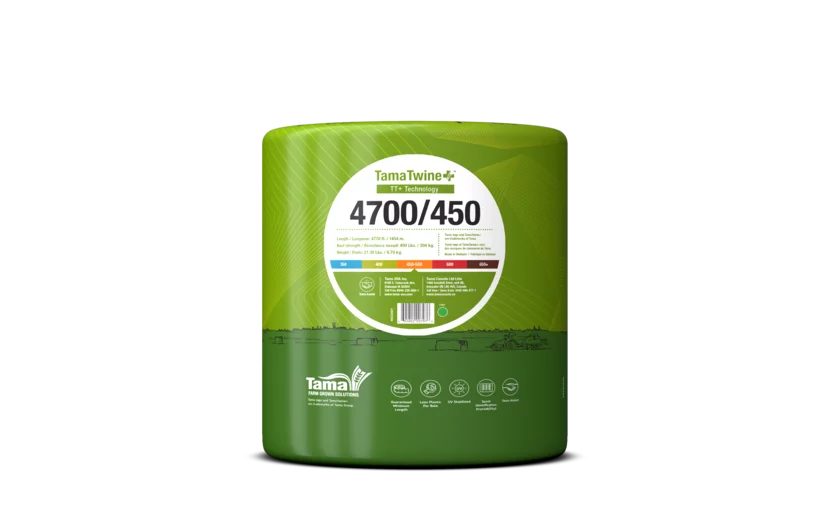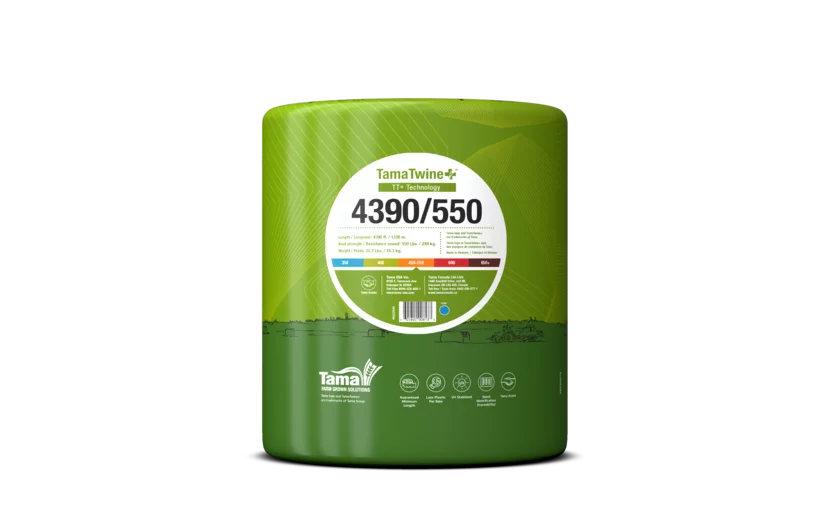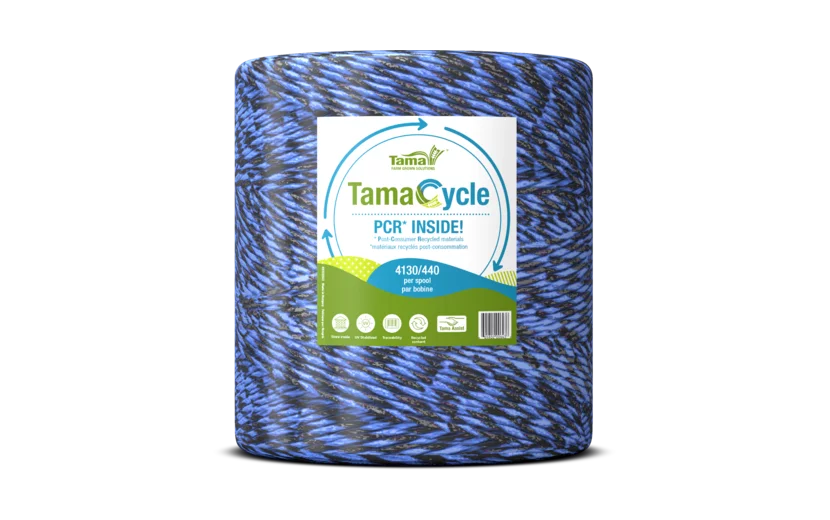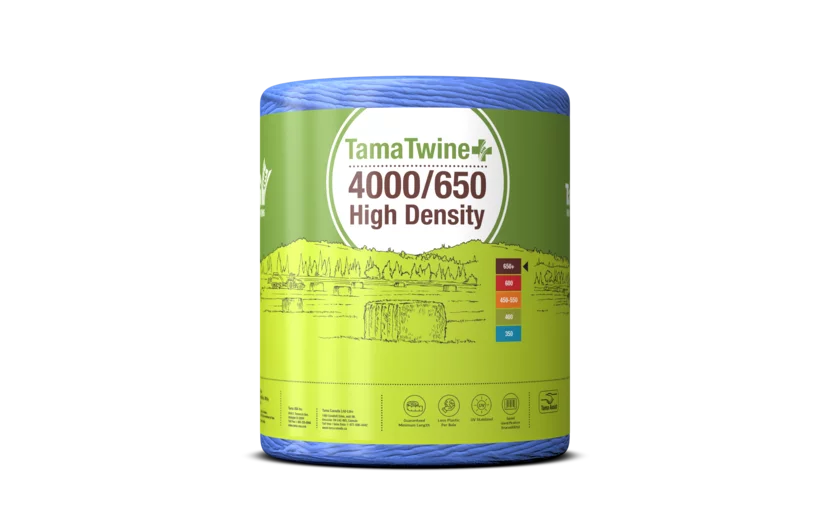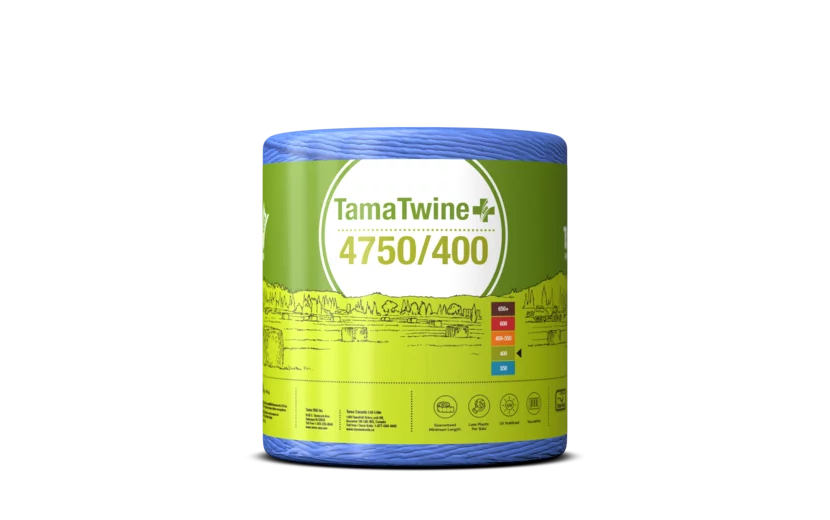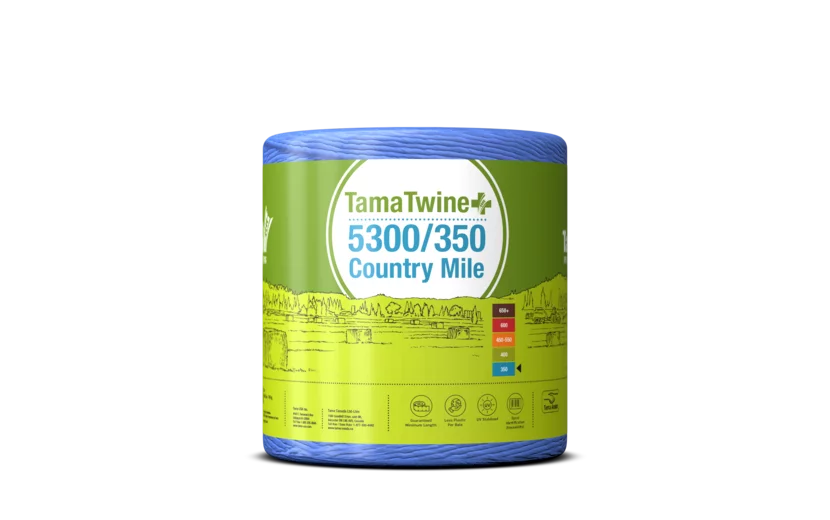


TamaTwine Type 650 TT+
Length:
4,100 FT
Designed to meet the demanding needs of American farmers, this High-density Twine is built to handle the most challenging crops with superior strength and longevity. TamaTwine Type 650 TT+ guarantees consistent and reliable performance in even the harshest conditions. Count on it for exceptional results, bale after bale, season after season.
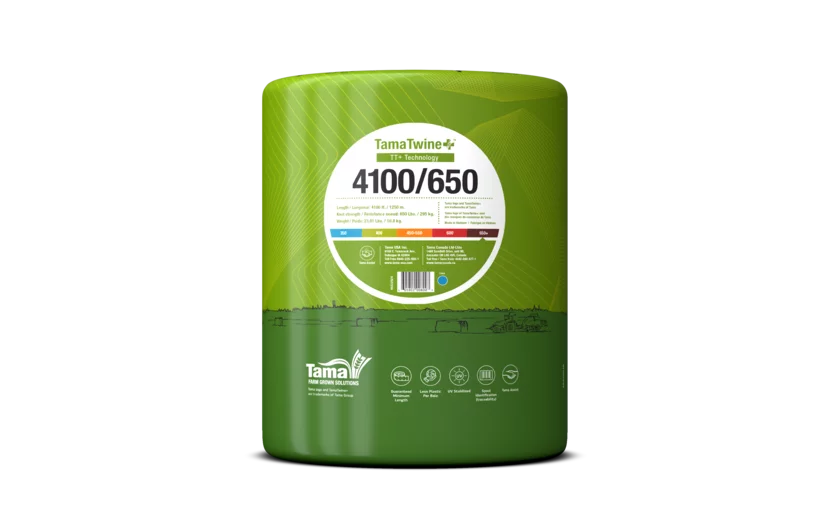
Specifications
| Product Name | Selling Unit | Weight | Length | Height | Diameter | Colour | Units per Pallet |
|---|---|---|---|---|---|---|---|
|
TamaTwine Type 650 TT+
|
Single Spool
|
24.3 ± 3% LBS
|
4,100 FT
|
14"
|
11"
|
BLUE
|
48
|
|
TamaTwine Type 650 TT+
|
Single Spool
|
24.3 ± 3% LBS
|
4,100 FT
|
14"
|
11"
|
PINK
|
48
|
Product Name
Selling Unit
Weight
Length
Height
Diameter
Colour
Units per Pallet
TamaTwine Type 650 TT+
TamaTwine Type 650 TT+
Single Spool
Single Spool
24.3 ± 3% LBS
24.3 ± 3% LBS
4,100 FT
4,100 FT
14"
14"
11"
11"
BLUE
PINK
48
48
2 Products
Map Title
Choose Your Category
- AL
- AR
- FL
- GA
- LA
- MS
- MO
- NC
- SC
- TN
- VA
- AZ
- CA
- NM
- TX
- KS
- OK
- IA
- MN
- WI
- ID
- OR
- WA
- IL
- IN
- KY
- MI
- OH
- CO
- NV
- UT
- NE
- CT
- DE
- ME
- MD
- MA
- NH
- NJ
- NY
- PA
- RI
- VT
- WV
- MT
- ND
- SD
- WY
- AK
- HI
Results Text (0)
View All Experts Text
More ways we can assist

Service request

Knowledge Center

Training

Field experts
Questions about
Twine Knowledge CenterAre there different types of knotters?
Yes, there are generally 3 types of knotters:
1. Double Knotter: A double knotter style, which makes 2 Deering knots in each twine in each knotting cycle.
2. Single Knotter: A single knotter style, which makes 1 Cormick or looped single knot in each twine in each knotting cycle.
3. Combination Double Knotter: A double knotter which makes a combination of a Cormick or loop knot and a standard Deering knot in each knotting cycle.
1. Double Knotter: A double knotter style, which makes 2 Deering knots in each twine in each knotting cycle.
2. Single Knotter: A single knotter style, which makes 1 Cormick or looped single knot in each twine in each knotting cycle.
3. Combination Double Knotter: A double knotter which makes a combination of a Cormick or loop knot and a standard Deering knot in each knotting cycle.
Are there other materials that manufactures use to produce twine?
Does it matter how many flakes are in each bale?
How can I participate in recycling my used twine?